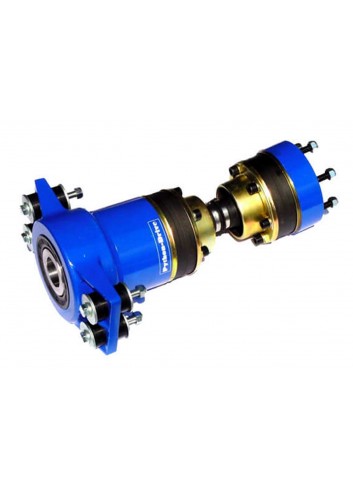
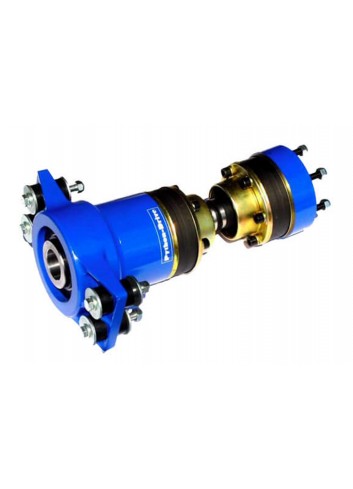
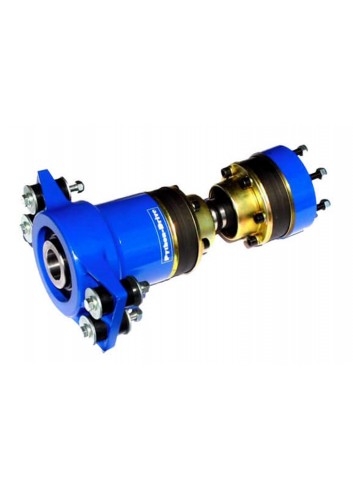
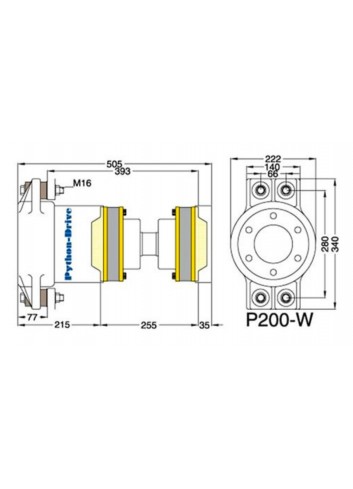
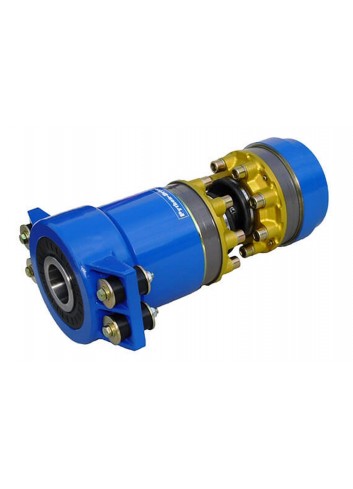
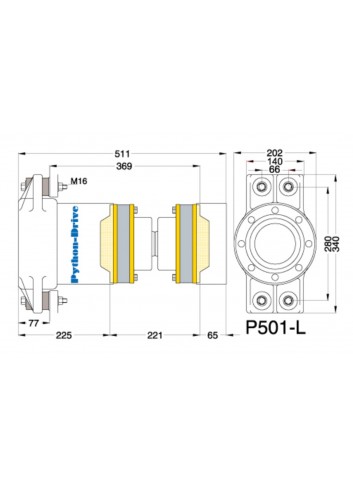
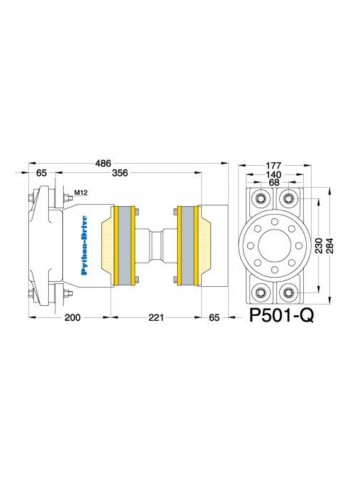
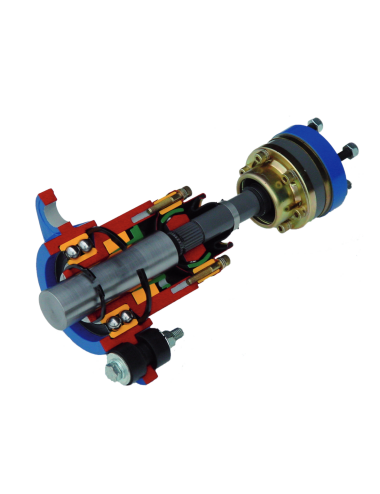
Python-Drive

Python-Drive

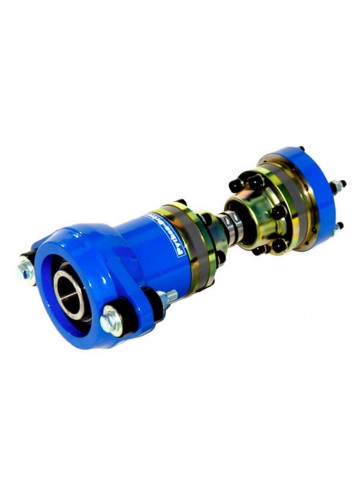
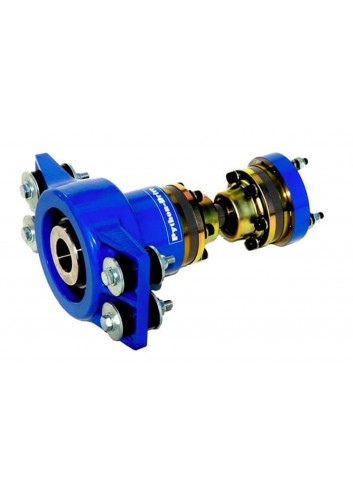
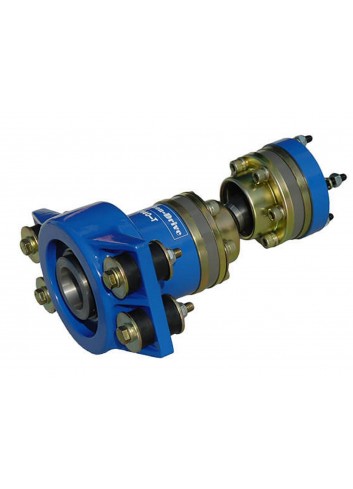
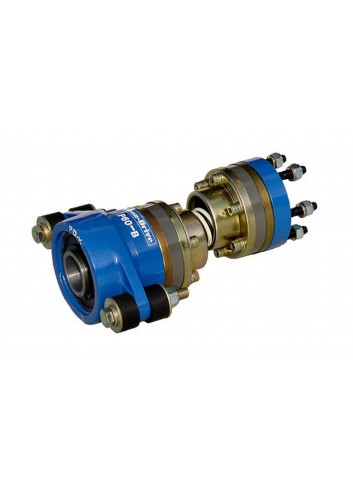
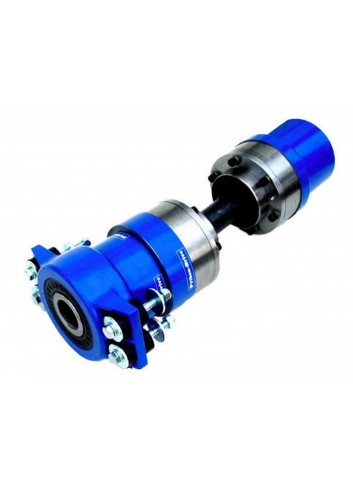
Python-Drive features:

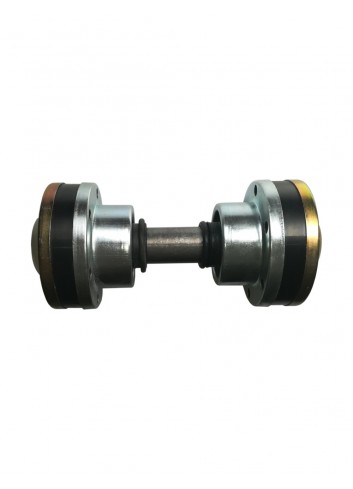
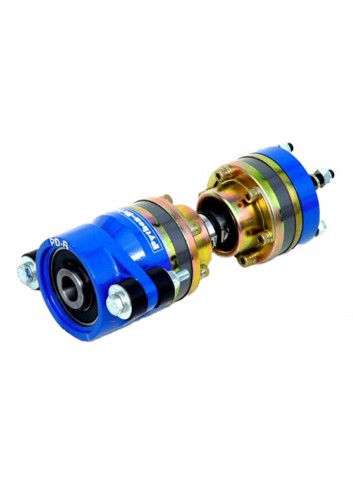
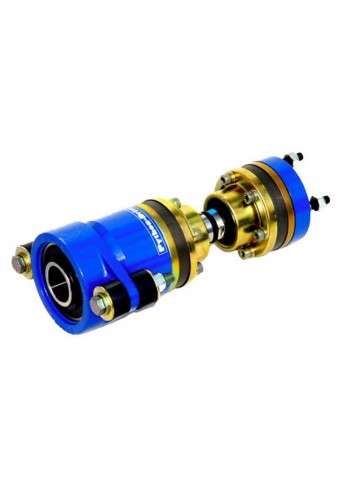
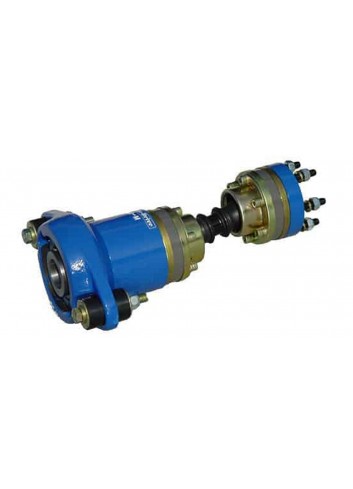
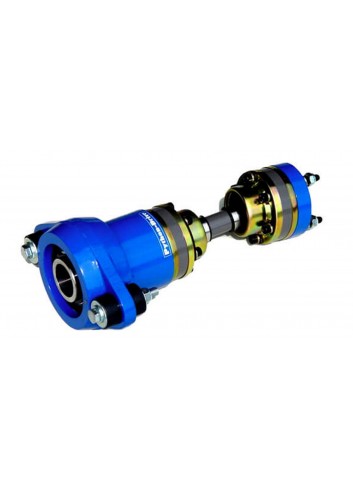
  • Double ended constant velocity drive shaft suitable for both Pleasure and High Performance applications.
  • Eliminates the need for exact alignment of prop shaft to gearbox.
  • Maintenance free thrust bearings.

Advantages of fitting a Python-Drive:

  • The constant velocity drive shaft guarantees a constant prop shaft speed, even when angles are unequal.
  • Propulsion thrust is isolated from the gearbox by being absorbed by the rubber mounting blocks.
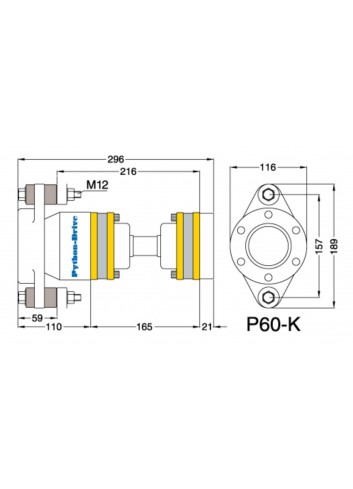
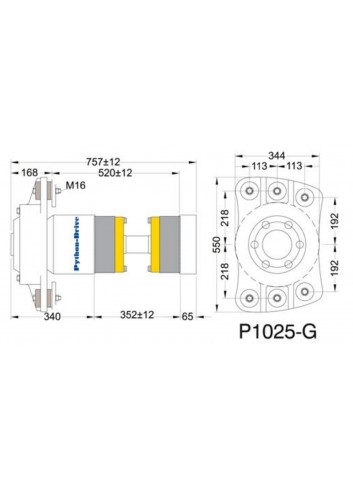
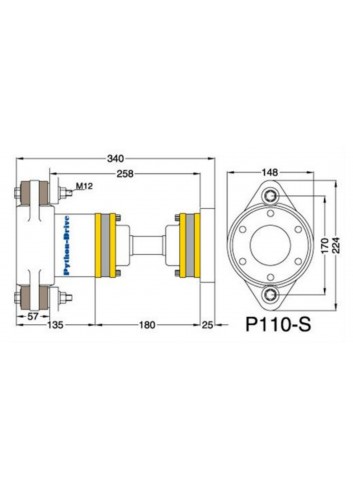
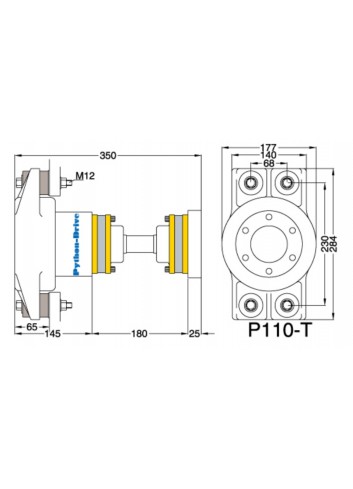
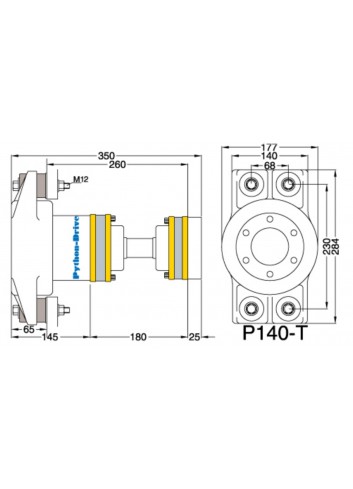
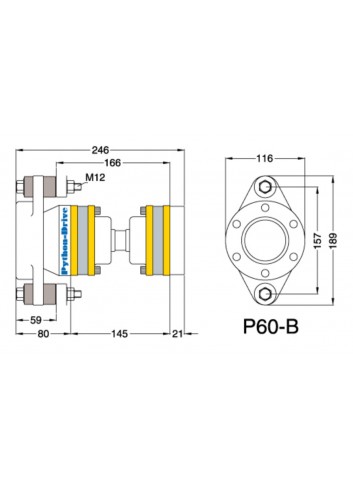
  • Not only is a Python-Drive robustly constructed, it is available in both Imperial and Metric dimensions, covering prop shafts from  ¾” (19.05 mm.) up to 4” (100 mm.).
  • The thrust bearing units can be used as stand alone units, on request they can be machined to suit universal (cardan) shafts.
  • Python-Drive constant velocity drive shafts are able to take torques of up to 1,500 kgm. (appr. 14.7 kNm.).
  • Drive Shafts are available in different lengths and can be made to suit individual sizes.
  • Supplied complete with all necessary studs, bolts, washers, gearbox flange and accompanied by an easily understood installation manual.
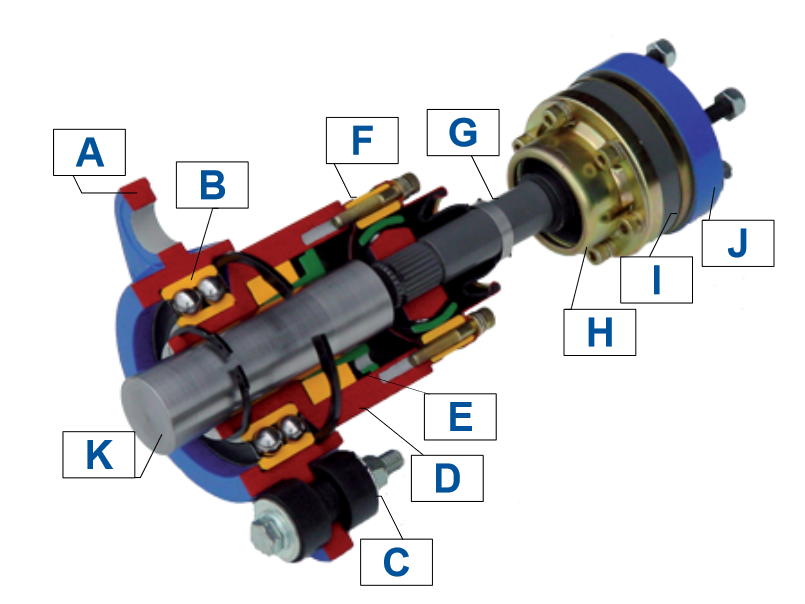
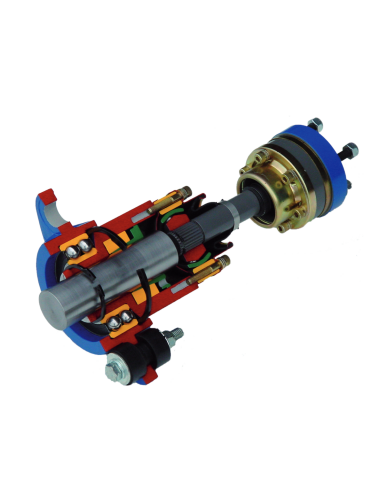
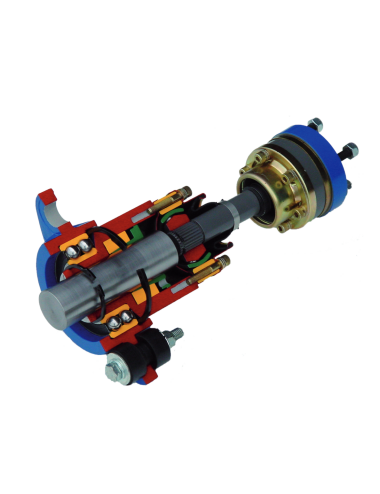
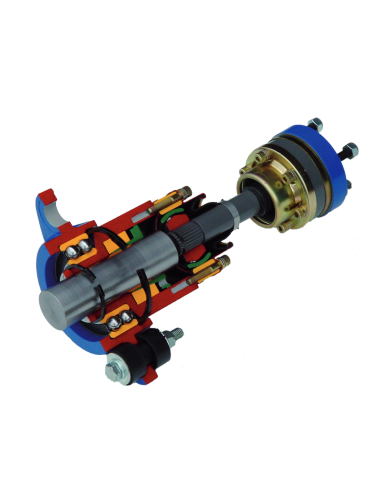
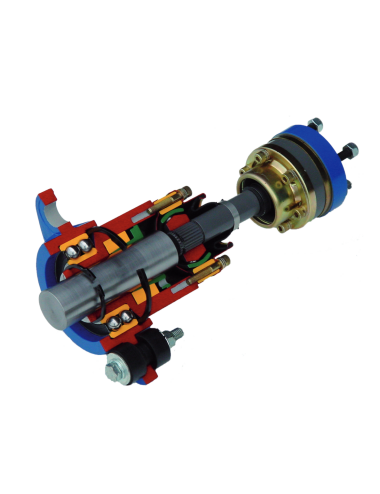
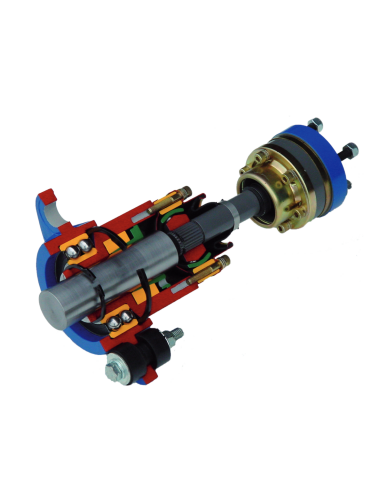
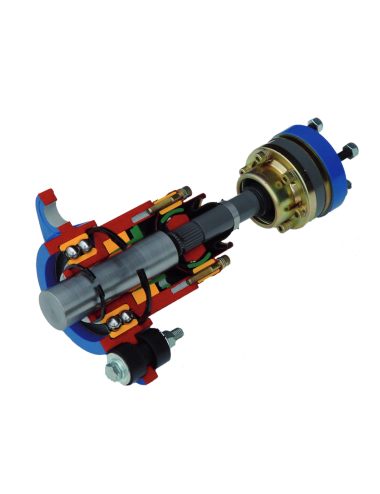
A - bearing housing
B- thrust bearing
C - thrust rubbers
D - hub
E - internal clamp
F - CV joint thrust bearing side
G - intermediate shaft
H - boot kit
I - CV joint gearbox side
J - gearbox adaptor flange
K - propeller shaft

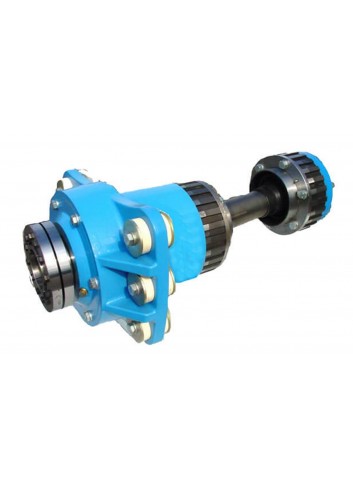
Above mentioned Python-Drive units are supplied complete with CV-drive shaft, thrust bearing unit, adaptor flanges for most regular 4”, 5”, 5.75” and 7.25” gearbox flanges, all bolts, nuts, thrust-rubbers and lock washers.
Also included is an easy to read installation manual

How to select the proper Python Drive unit?

Contact with us providing engine model (HP and rpm) and gearbox ratio, or use one of the following formulas to calculate the ideal Python-Drive unit for your installation:

(Max. rating of the engine in kW/Max. RPM. of the engine (n)) x 9680 x Ratio of the gearbox= Shaft torque in Nm)

or:

(Max. rating of the engine in HP/Max. RPM. of the engine (n)) x 726 x Ratio of the gearbox = Shaft torque in [Kgm]


For example:

(135 HP : 2500 rpm.) X 726 X 2 (Ratio gearbox) = 78,4 kgm (prop shaft torque)

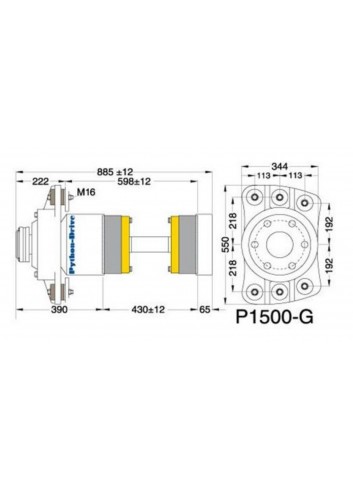
Furthermore the maximum propeller thrust should not exceed the published rating